
What Causes Cataracts to Develop?
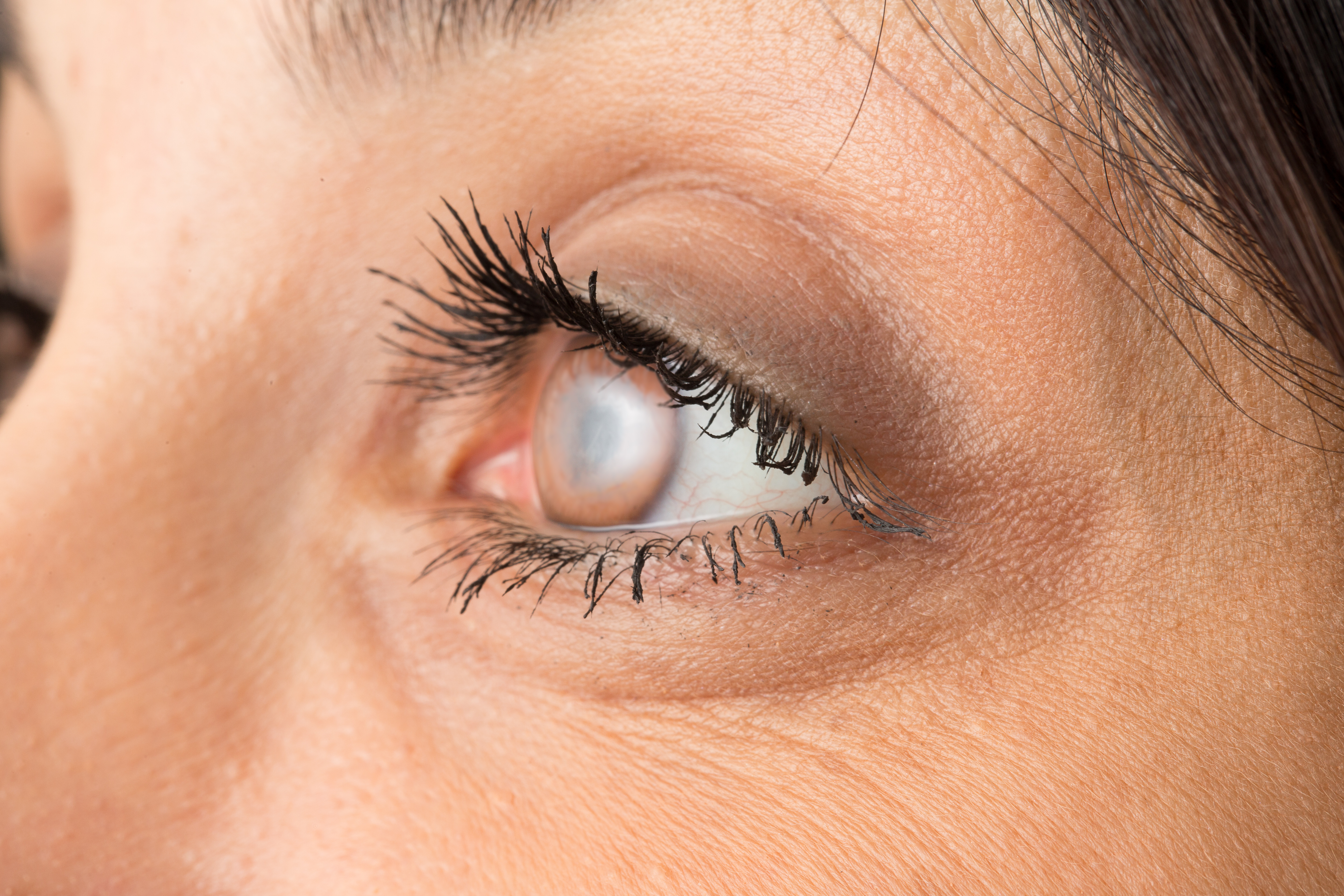
Cataracts are one of the most common age-related eye conditions, but many people do not realize they can develop gradually over many years. A cataract forms when the eye’s natural lens becomes cloudy, making it harder for light to pass clearly to the retina. This can lead to blurry vision, glare, faded colors, and difficulty seeing at night. Understanding what causes cataracts to develop can make it easier to recognize changes early and know when to schedule an eye exam.
Age Is the Most Common Cause
Most cataracts develop as part of the natural aging process. The lens inside the eye is made mostly of water and proteins. Over time, these proteins can begin to break down and clump together, causing cloudy areas to form.
At first, cataracts may be mild and barely noticeable. As they progress, vision can become more cloudy or dim, and everyday tasks like reading, driving, or seeing in bright sunlight may become more difficult.
Other Factors That Can Increase Cataract Risk
While aging is the leading cause of cataracts, several other factors may contribute to their development. These can include:
- Long-term UV exposure without proper eye protection
- Diabetes or other health conditions
- Smoking
- Certain medications, such as long-term steroid use
- Previous eye injuries or eye surgery
- Family history of cataracts
Wearing quality sunglasses, managing health conditions, and keeping up with routine eye care can help protect long-term vision.
The Importance of Routine Eye Exams
Routine eye exams are important because cataracts often develop slowly. Many patients do not notice early changes until cataracts begin interfering with daily activities. During an eye exam, Dr. Hansen can evaluate the clarity of the lens, check for other eye health concerns, and monitor any changes over time.
Early detection does not always mean surgery is needed right away. In many cases, cataracts can be managed with updated glasses, better lighting, anti-glare lenses, or lifestyle adjustments while they are still mild. If cataracts begin to affect your independence, comfort, or safety, we can discuss whether it may be time to consider cataract surgery.
Co-Management for Cataract Surgery
When cataract surgery becomes the best option, co-management helps provide a more seamless experience. Dr. Hansen can help identify when surgery may be appropriate, refer you to a trusted cataract surgeon, and provide pre-operative and post-operative care.
After surgery, follow-up visits are important to monitor healing, check vision, and make sure your eyes are recovering as expected. This team-based approach helps patients feel informed and supported throughout the process.
Partner with Firestone Family Eyecare for Cataract Care
Cataracts are common, but they should not be ignored. Regular eye exams allow our eye doctor to detect cataracts early, monitor changes, and guide you through the right treatment options when needed.
Protect your vision with personalized cataract care and routine eye exams at Firestone Family Eyecare. Visit our office in Firestone, Colorado, or call (303) 532-1132 to book an appointment today.

All Eye
Care Services

Keep
In Touch
MAP

CONTACT INFORMATION
HOURS OF OPERATION
Monday 9:00am - 5:30pm
Tuesday 8:00am - 6:00pm
Wednesday 8:00am - 6:00pm
Thursday 8:00am - 6:00pm
Friday Closed
Saturday Closed
Sunday Closed
© 2026 Firestone Family Eyecare. All Rights Reserved. Accessibility Statement - Privacy Policy - Sitemap
Powered by: 